Benefits of All-in-One Cotton Menstrual Pants
Potential user and brand benefits of an all-in-one cotton period format.
Editorial draft. Product, medical, legal and regulatory statements require final review for the exact specification and target market before publication.
Potential user and brand benefits of an all-in-one cotton period format. This guide turns the approved outline into a practical framework for brand, product and sourcing teams.
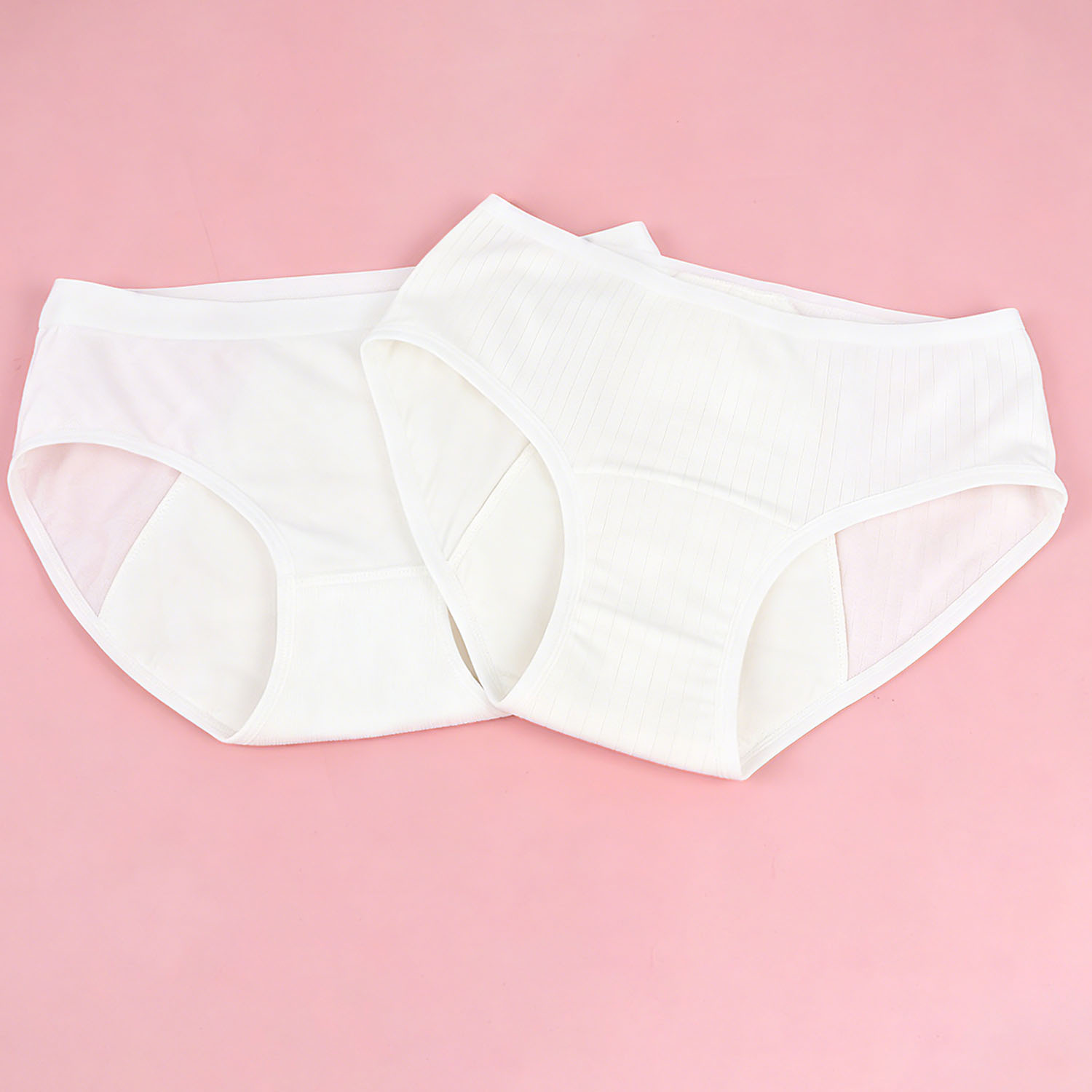
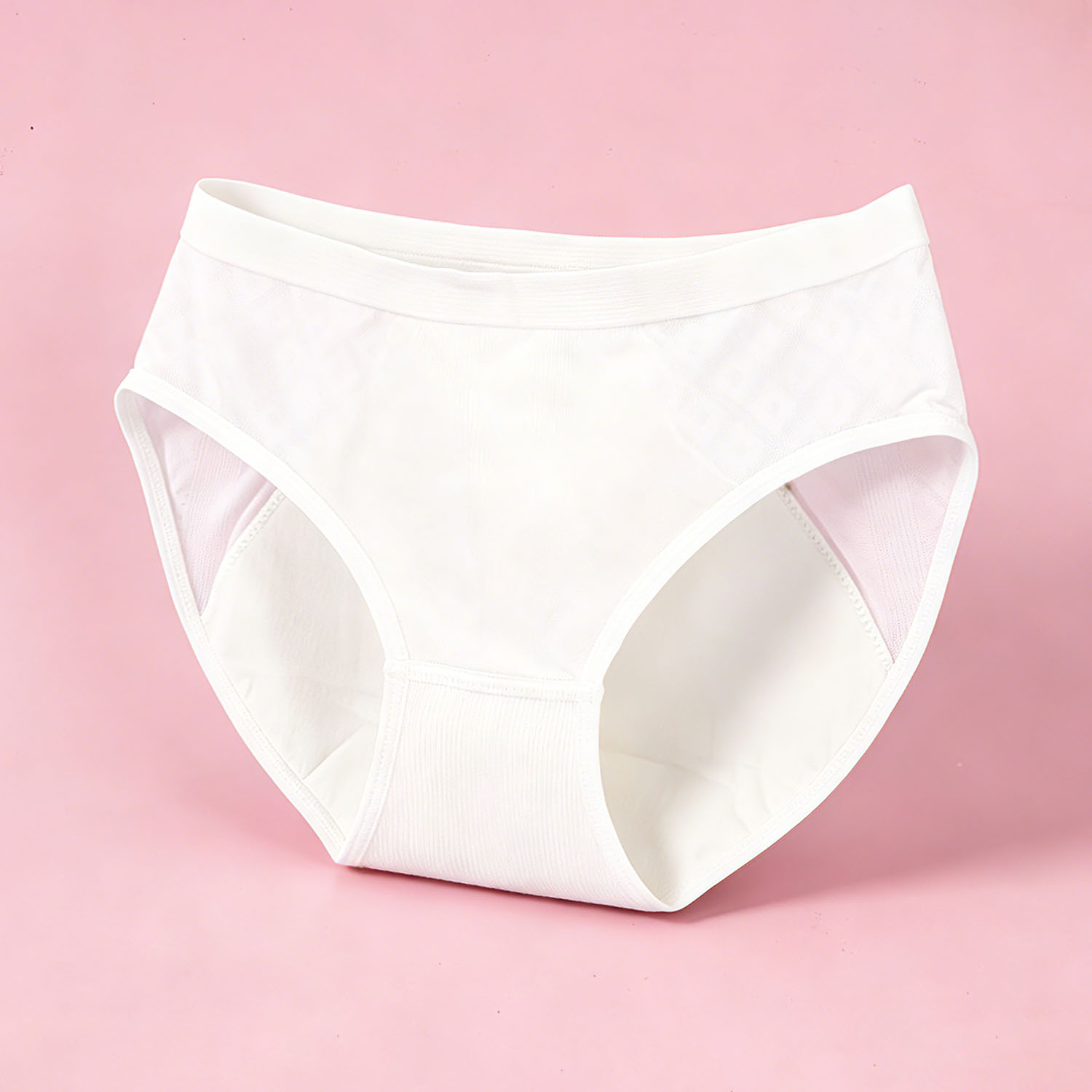
Integrated cotton menstrual pants bring the absorbent zone and cotton-rich underwear body into one washable construction, so material, fit and care guidance must be assessed together.
Key questions covered in this guide
- Explain the all-in-one format
- Review comfort fit and convenience
- Assess absorbency and care requirements
- Identify suitable consumer segments
Explain the all-in-one format
For teams researching all-in-one menstrual pants, "Explain the all-in-one format" is the point where a broad idea becomes a usable product or sourcing requirement. Integrated cotton menstrual pants bring the absorbent zone and cotton-rich underwear body into one washable construction, so material, fit and care guidance must be assessed together.
Start by recording the intended user, use setting, target market, product format and the decision this section needs to support. This prevents specifications, supplier comparisons and marketing language from being built on different assumptions.
Review comfort fit and convenience
The practical review of review comfort fit and convenience should connect materials, construction and measurable product targets. Related searches such as cotton menstrual pants, integrated menstrual underwear, cotton period underwear can help organize the brief, but they do not replace an approved specification or sample evaluation.
Compare alternatives side by side and note what changes when material, absorbency, dimensions, fit or packaging changes. A buyer should be able to trace each preferred feature back to a target-user need and a verification method.
Assess absorbency and care requirements
During assess absorbency and care requirements, request evidence that matches the exact product rather than relying on a general company claim. Useful evidence can include controlled samples, specifications, inspection records, packaging details and documents whose entity, scope and dates are clear.
Sample review should use a written checklist. Record dimensions, materials, handling, appearance, fit or placement, packaging and any agreed performance target, then keep the approved reference available for production and shipment comparison.
Identify suitable consumer segments
Before closing identify suitable consumer segments, align product, quality, regulatory, artwork and commercial decisions. Confirm who approves each item, which version is final and what must be checked again before mass production or market release.
Lead time, order quantity and cost should be compared only after the specification and packaging scope are stable. Final claims and instructions must be reviewed for the destination market by the responsible brand team or qualified adviser.
A reliable private-label decision links user needs, an approved specification, representative samples, documented quality checks and market-appropriate claims.
Buyer checklist before requesting a quotation
A complete brief reduces avoidable sampling rounds and makes supplier quotations easier to compare. Prepare the following information before contacting a manufacturing partner.
- Target market, intended user and product-use scenario
- Preferred format, dimensions, materials and performance targets
- Size range, fit, color, print and individual packaging requirements
- Retail pack count, artwork, carton and labeling needs
- Expected order volume, launch timing and required document scope
Frequently asked sourcing questions
Can the specification and packaging be customized?
Yes. Dailys supports OEM and ODM discussions covering materials, dimensions, absorbency or product construction, fit, colors, printing, individual wrapping and retail packaging. Feasibility is confirmed through the brief, samples and final specification.
Which quality or compliance documents should a buyer request?
Request documents that match the exact product, legal entity, manufacturing site, scope, issue and expiry dates, and destination market. A general certificate list should not be treated as approval for every product or claim.
Next step for product development
Use this article as a working discussion guide, then replace assumptions with approved samples, test targets, artwork and written requirements. The WordPress draft remains editable so product and compliance reviewers can refine each section before publication.